What ends up in your cart shapes what ends up on your plate. With a few simple habits, grocery shopping becomes faster, cheaper and a lot healthier for everyone at home.
Plan before you go
Look at the week ahead and plan a handful of easy meals. Write a list based on those meals and check what you already have, so you buy only what you need.
Shop the fresh sections first
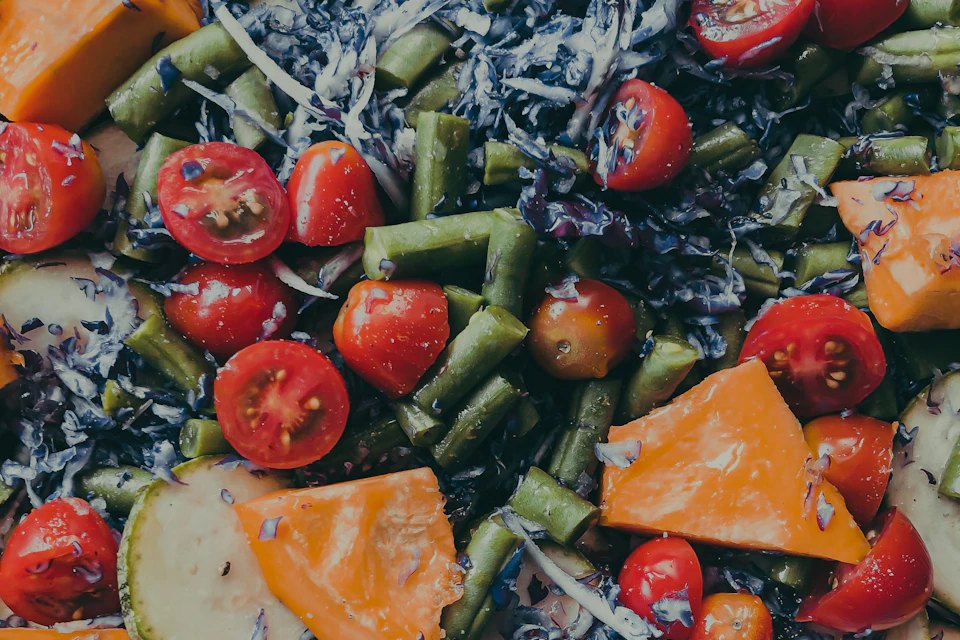
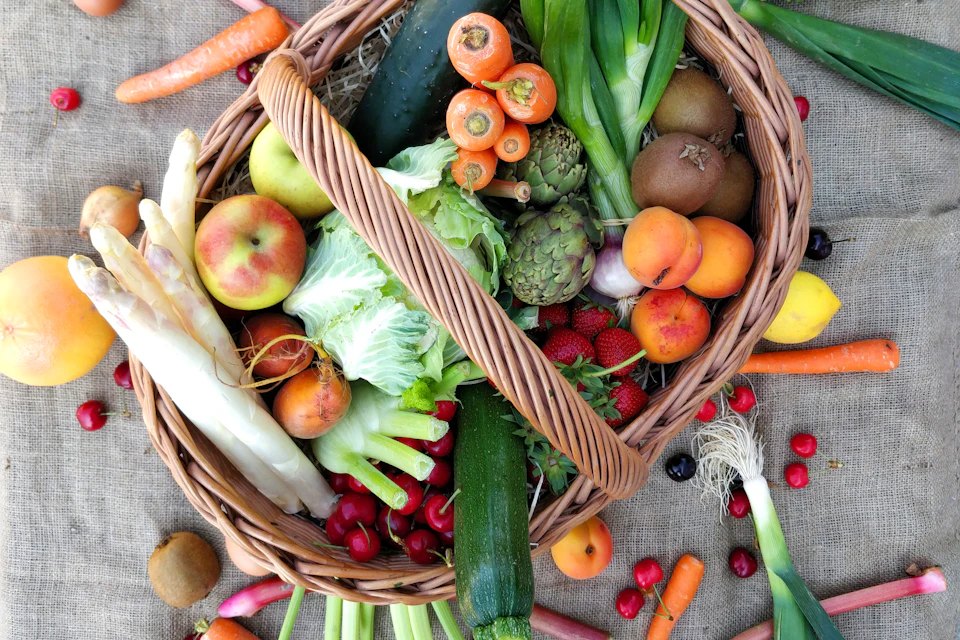
- Vegetables and fruit in a variety of colors.
- Lean proteins such as fish, chicken, eggs, beans and lentils.
- Whole grains like oats, brown rice and whole-grain bread.
- Dairy or fortified alternatives for calcium.
Never shop hungry. A quick snack before you go helps you stick to your list.
Read labels wisely
Check the ingredient list for added sugars, refined grains and lots of salt. Shorter ingredient lists with foods you recognize are usually a good sign.
Save money and reduce waste
Frozen vegetables and fruit are just as nutritious as fresh and last much longer. Canned beans and fish are affordable, convenient staples. Buy seasonal produce and store it properly to keep it fresh.
Make it a family activity
Invite children to choose a new vegetable or fruit to try each week. It builds curiosity and makes healthy food feel exciting.
This article is for general education only. Please consider allergies and seek personalized advice for specific dietary needs.